

Commentary
Nikita Smagin
{
  "authors": [
    "Nikita Smagin"
  ],
  "type": "commentary",
  "blog": "Carnegie Politika",
  "centerAffiliationAll": "",
  "centers": [
    "Carnegie Endowment for International Peace",
    "Carnegie Russia Eurasia Center"
  ],
  "collections": [
    "The Iran War’s Global Reach"
  ],
  "englishNewsletterAll": "",
  "nonEnglishNewsletterAll": "",
  "primaryCenter": "Carnegie Russia Eurasia Center",
  "programAffiliation": "",
  "regions": [
    "Iran",
    "Russia",
    "United States"
  ],
  "topics": [
    "Arms Control",
    "Global Governance",
    "Defense",
    "Security",
    "Foreign Policy"
  ]
}
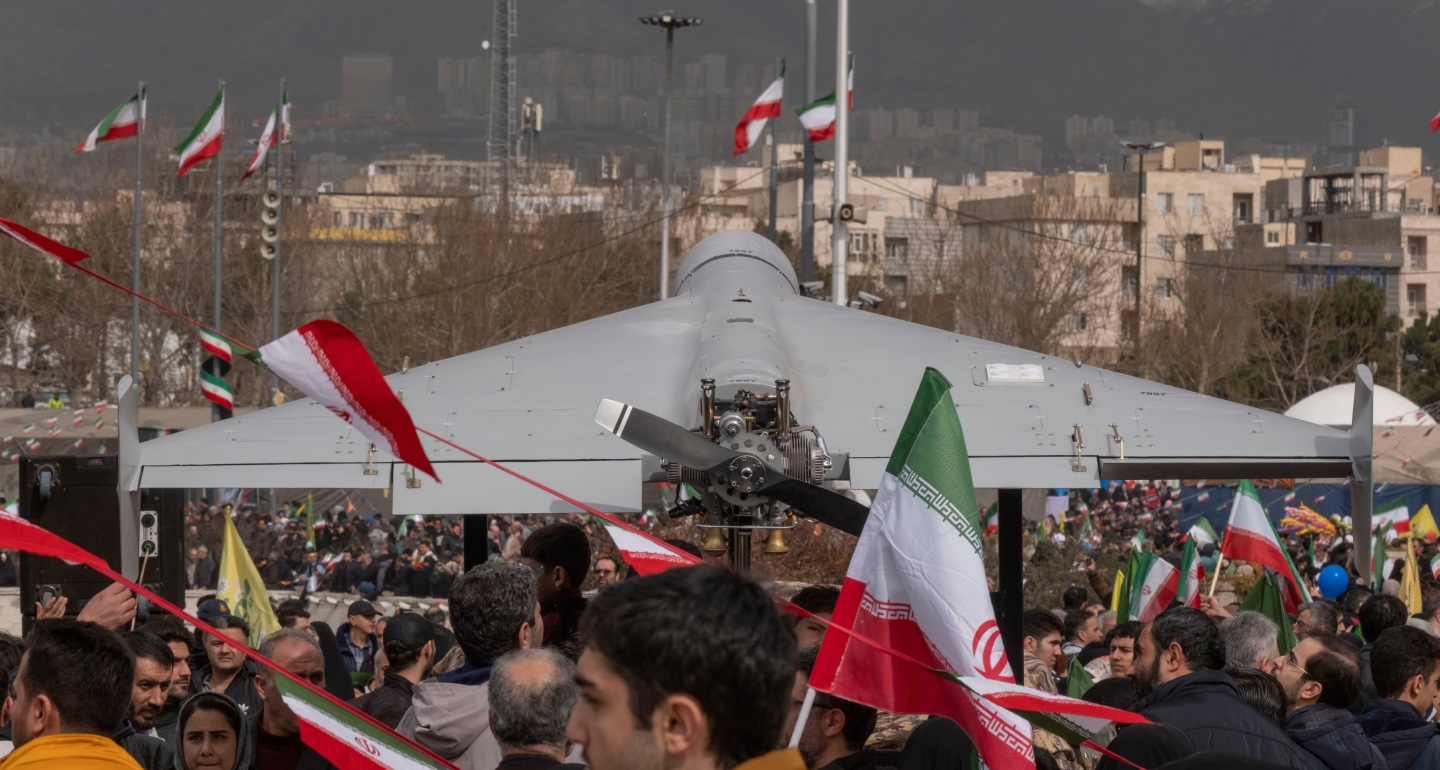
Source: Getty
The Russian leadership wants to avoid a dangerous precedent in which it is squeezed out of Iran by the United States and Israel—and left powerless to respond in any meaningful way.
Russia has reaped some significant dividends from the fighting between Israel, the United States, and Iran: in particular, additional income from elevated oil prices and a possible reduction in Western military support for Ukraine. But the lack of options for influencing the course of the conflict is a cause of concern for the Kremlin.
Accordingly, Moscow has been looking for ways to get involved by providing drones and battlefield intelligence to Iran. What Russia might seek to do with any influence it may accumulate is an open question. It’s entirely possible that even the Kremlin doesn’t know. For the moment, though, that’s less important. All Moscow wants is leverage.
From the start of the U.S.-Israeli strikes on Iran, Russian officials have been saying that they would be happy to mediate between the warring sides. But their offers have been left unanswered. President Vladimir Putin’s spokesman admitted neither side appeared to be in need of Russian mediation, and in the end Pakistan was chosen to host peace negotiations (with Türkiye as a reserve option).
Being passed over in such a way has been especially galling for the Kremlin given that the fighting has directly affected Russia’s interests in Iran: the Russian consulate in the city of Isfahan was damaged (leading to its closure); a Russian Orthodox church in Tehran was hit; and the port in Bandar Anzali on the Caspian Sea—a key hub for Russian-Iranian trade—was destroyed.
Most alarming for Moscow, however, were four U.S.-Israeli attacks on the Bushehr nuclear power plant, which is operated by Russian technicians from the state nuclear corporation Rosatom, using Russian-made, low-enriched uranium. As a result of the bombing, at least one Iranian employee was killed, and Russia was obliged to evacuate almost all of its nationals.
If the damage to the Orthodox Church and the Russian consulate could be put down to bad luck, the same cannot be said for Bushehr and Bandar Anzali. After the bombing of Bandar Anzali, a spokesperson for the Russian Foreign Ministry protested that the Israeli-U.S. campaign was damaging Russia’s economic interests.
Observers would be forgiven for concluding that, if they wanted, the United States and Israel could squeeze Russia out of Iran—and, in response, the Kremlin would be able to do little more than issue angry press releases. In the eyes of the Russian leadership, that would set a dangerous precedent.
The Middle East became a particularly important region for the Kremlin following the collapse in relations between Russia and the West caused by the full-scale invasion of Ukraine in 2022. Middle Eastern countries often do not support the West’s approach to Russia, and they continue to regard Moscow as a legitimate player. Trade volumes between Russia and the Middle East have grown; new transport routes have been planned; and there were efforts to develop new models of economic cooperation impervious to Western sanctions.
The current war means such plans are under threat—and not only in Iran, where Russia has several important projects, including the North–South Transport Corridor and a major natural gas hub. It also jeopardizes Russian relations with other Middle Eastern countries, such as the United Arab Emirates. Trade between Russia and the UAE has more than doubled since 2022; sanctioned goods like microchips are reexported via the UAE to Russia; and UAE banks facilitate some of Russia’s foreign transactions. Now, all of this is in jeopardy.
Indeed, the U.S.-Israeli war on Iran has undermined Russia’s entire foreign policy in the Middle East. As a result, Moscow realizes it needs new ways of exerting influence so that it does not end up becoming a mere passive observer.
At the moment, it’s unclear how far Moscow is prepared to go, particularly when it comes to aiding the Iranian regime. But it’s evident that military cooperation between Iran and Russia is not dwindling—on the contrary, it’s growing.
Russia began supplying Geran drones (a modernized version of Iran’s Shahed-136 drones) to Iran in March, marking a new phase in the defense relationship. Since 2022, the range of military hardware Russia is willing to export to Iran has been steadily widening to include attack helicopters, armored vehicles, and small arms. With the addition of drones, it now includes a weapon that is capable of directly inflicting damage on U.S. and Israeli forces. While Moscow and Tehran previously reached an agreement for Russia to supply Su-35 fighter jets and Verba man-portable air defense systems (MANPADS), that was only a framework agreement. There has been no confirmation that Tehran has received those deliveries.
Moscow has also been sharing intelligence with Tehran in a bid to help guide Iranian strikes. Admittedly, this Russian help is limited in size and scope, and the Kremlin appears to be carefully testing the limits of what it can do without provoking too much anger from the United States, Israel, and the Gulf states.
What Russia gains from all this is a presence in the unfolding conflict. In addition, regular attacks by Iranian drones will force the United States and its allies to use up interceptors that might otherwise have been sent to Ukraine to shoot down Russian missiles.
The mere fact of Russia providing support to Iran is foreign policy clout that could subsequently be useful. According to Politico, Moscow has already suggested to Washington that it could stop sharing intelligence with Iran if the United States and its allies would stop doing the same with Ukraine.
For the moment, Russia’s participation in the latest war in the Middle East is limited. Instead of a genuine effort to influence the outcome of the fighting, it looks more like an attempt to obtain leverage for future negotiations—just as Russia’s intervention in the Syrian civil war began. In other words, Moscow is cultivating foreign policy assets now, and will decide at its own leisure how best to use them to Russia’s advantage.

Expert on Iranian foreign and domestic policies, Islamism, and Russia's policy in the Middle East
Recent Work
Nikita Smagin
Nikita Smagin
Carnegie does not take institutional positions on public policy issues; the views represented herein are those of the author(s) and do not necessarily reflect the views of Carnegie, its staff, or its trustees.
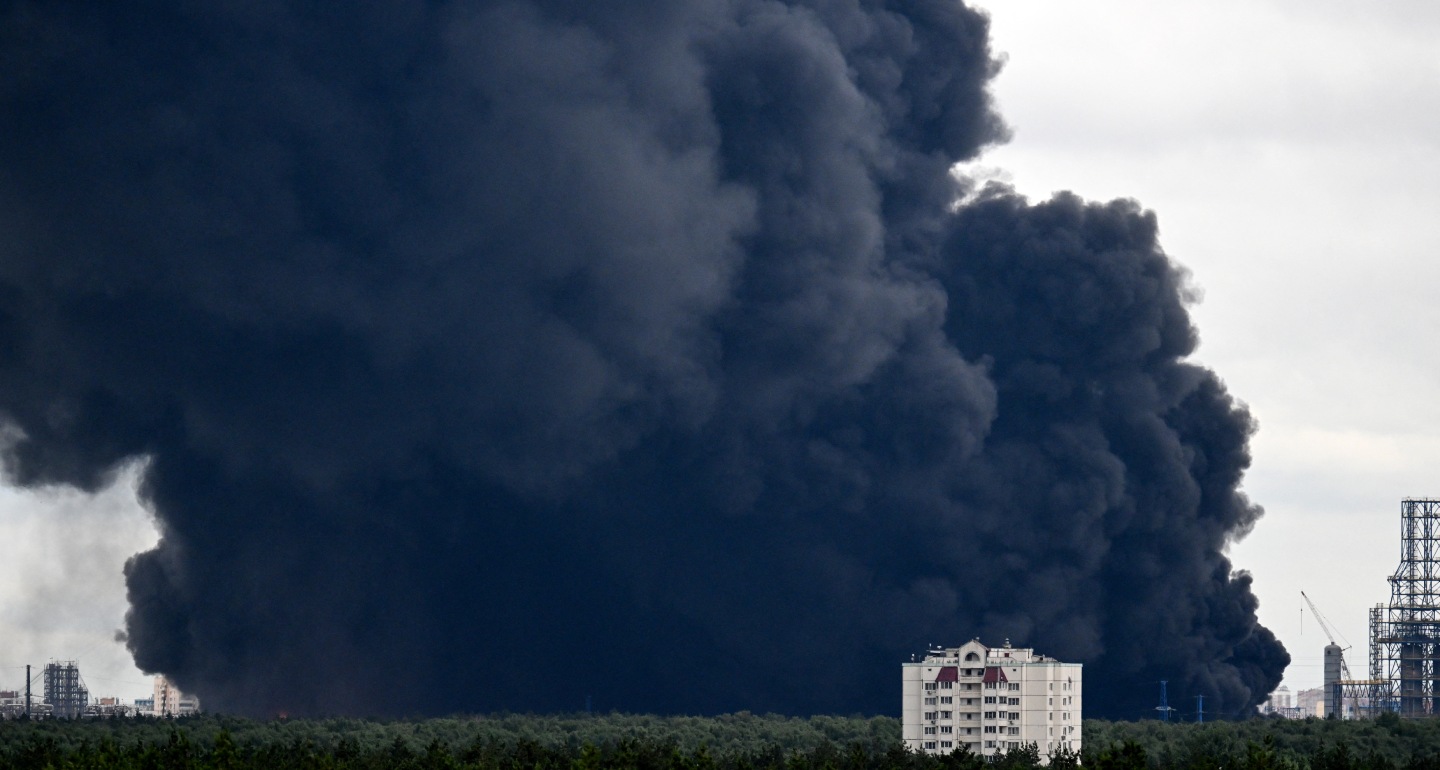
If it proves impossible for the Russian authorities to avoid a gasoline deficit, the question then becomes how they will organize the distribution of a scarce resource.

Sergey Vakulenko
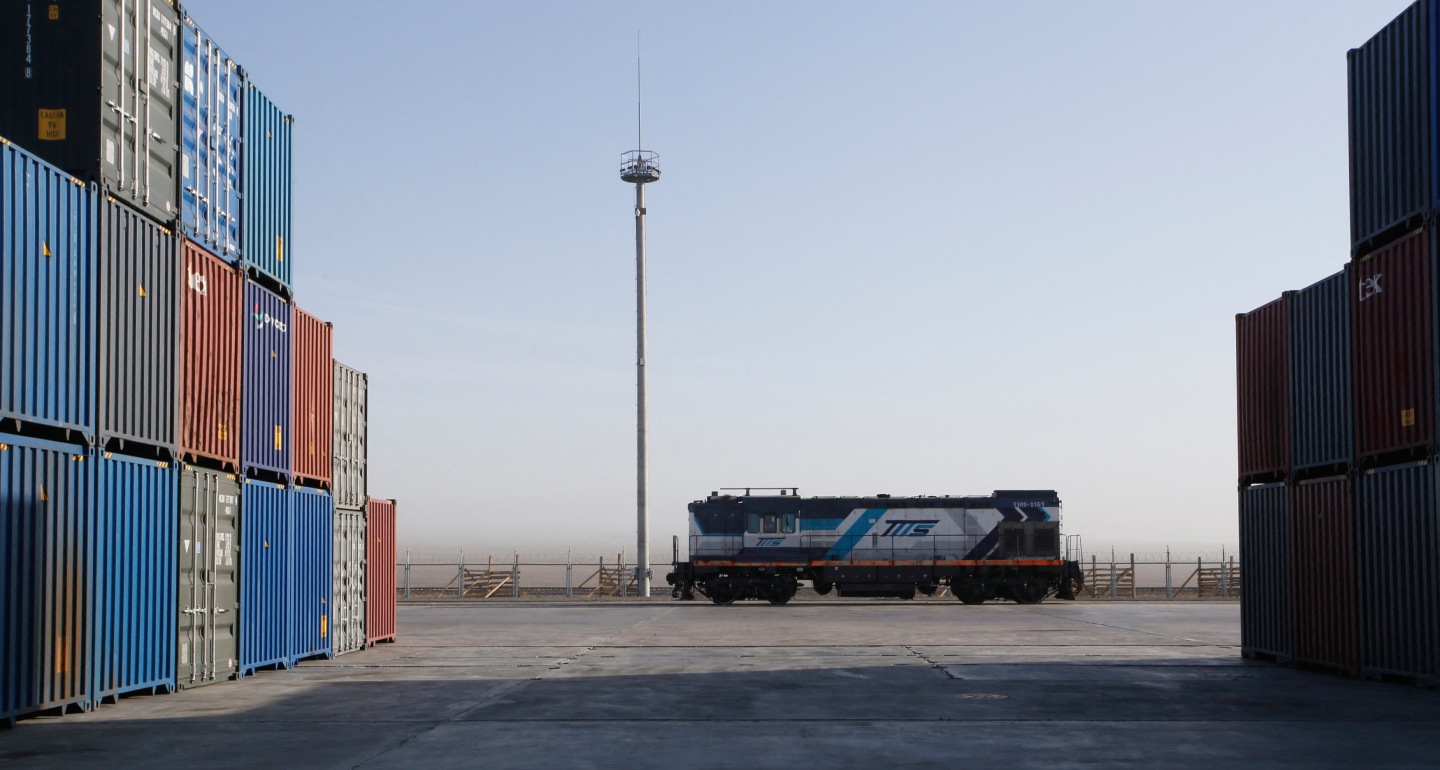
This year’s wars have made alternative routes to transit through Russia no less risky for Central Asian countries.

Galiya Ibragimova
Reestablishing a dialogue with Moscow is not a goal in its own right. The goal is to guarantee the independence of Ukraine and the peace and security of Europe.
Arkady Moshes
Ukraine’s increasingly confrontational posture on Belarus reflects Kyiv’s effort to shape the emerging regional order in Eastern Europe. Kyiv wants to limit European normalization with Minsk—and any future rapprochement with Russia.

Balázs Jarábik
For all the menacing rhetoric, the Armenian prime minister remains a leader with whom Putin is prepared to interact: not as an ally, but as a partner, albeit a problematic one.

Alexander Atasuntsev